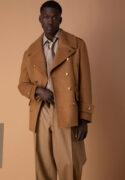

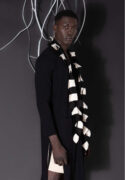
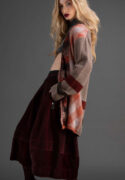


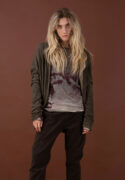
Knitwear is experiencing a very interesting and positive moment as an essential and trendy garment in the most significant ready-to-wear collections and high-end brands.
For the spring-summer 2025 season, there were numerous proposals, seen during Pitti Filati last January, of yarns in the best qualities of cotton, linen, hemp, silk, as well as viscose and recycled synthetic fibres. Yarns proposed in extreme count developments. Very fine for ultra-light sweaters that play with transparency or instead full-bodied, up to the ribbons and round chains for open workmanship, with an artisanal appearance or for new-found knitted or crocheted sweaters, always attentive to quality finishes.
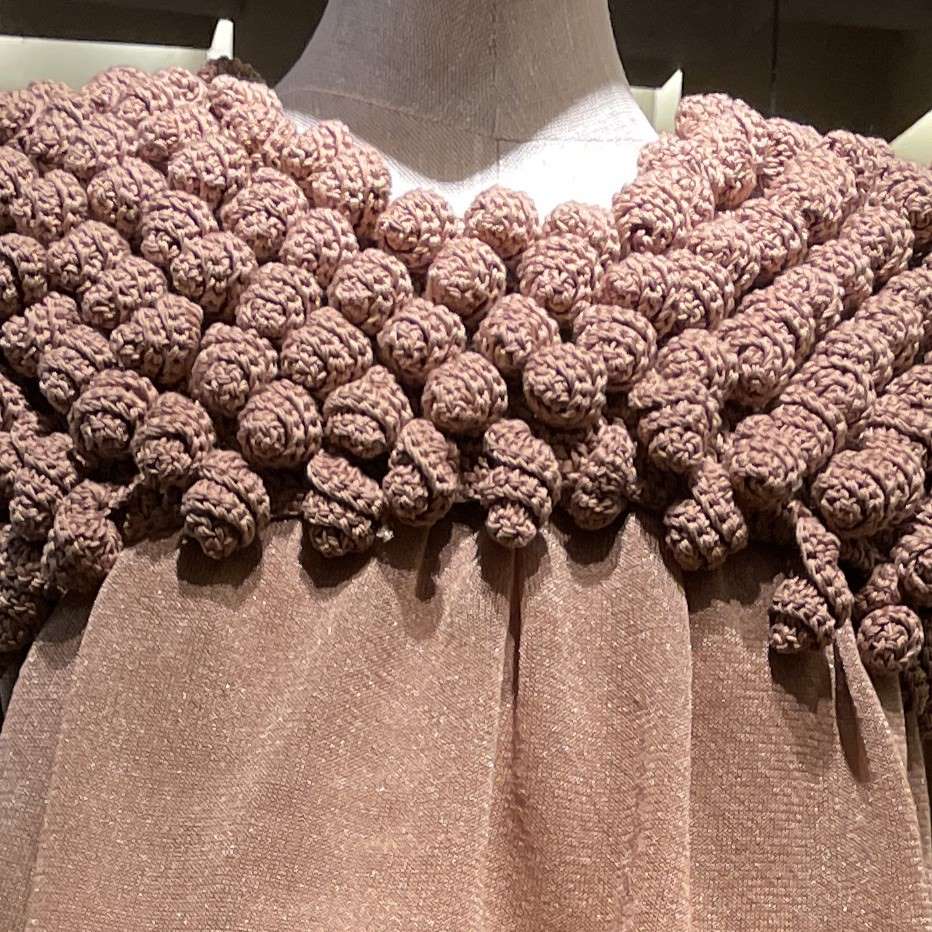
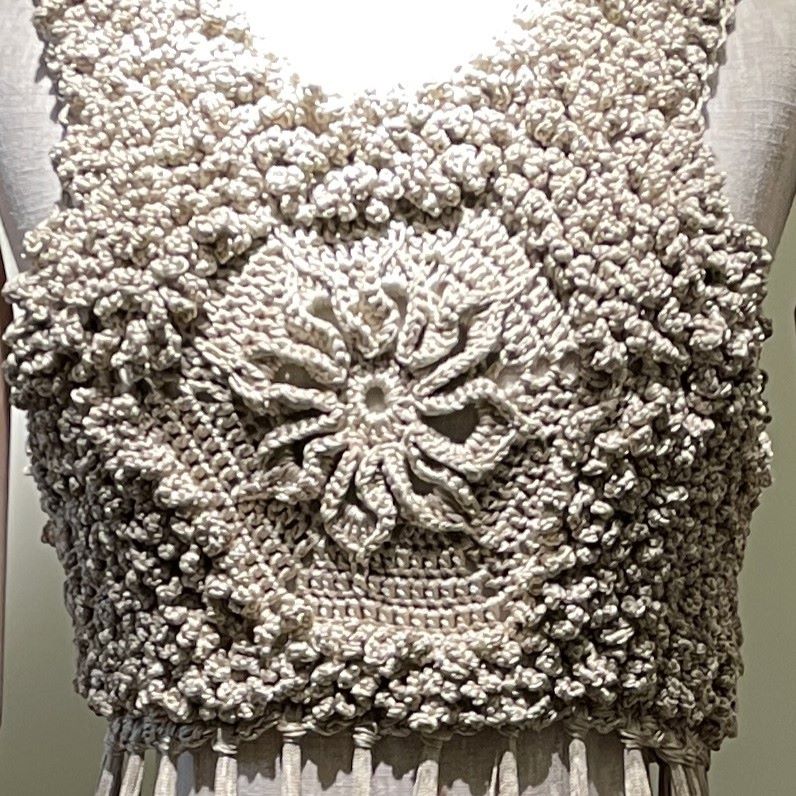
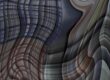
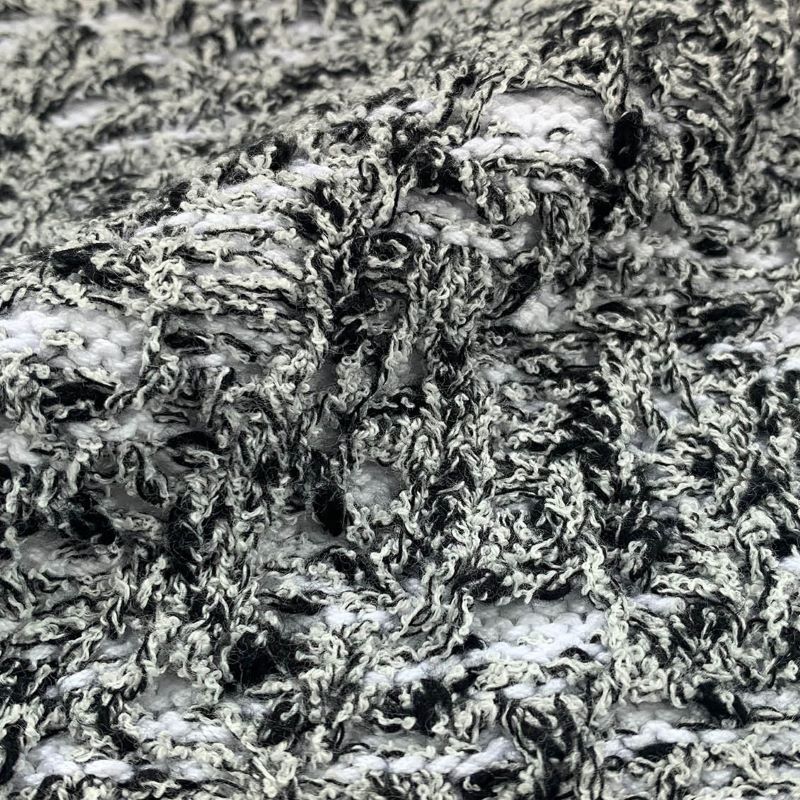
However, the aftermath of Pitti Filati saw the spinning mills busy searching for further knitted solutions. The result is interesting alternative processes which, with the support of new technological possibilities, have been able to enhance even the most linear yarns. These are research aimed at giving unprecedented “volumes” to the knits, at folding the yarn into three-dimensional structures by mixing fine threads and thick threads, unexpectedly inserting elastic threads to create reliefs and speckles.
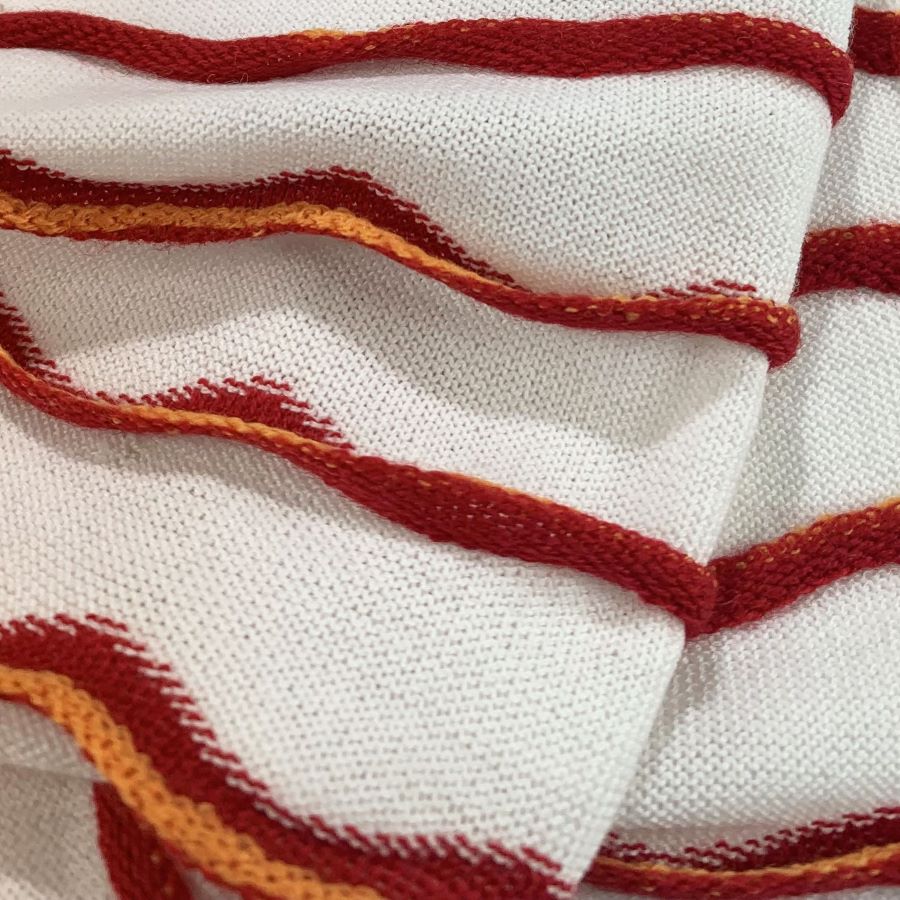
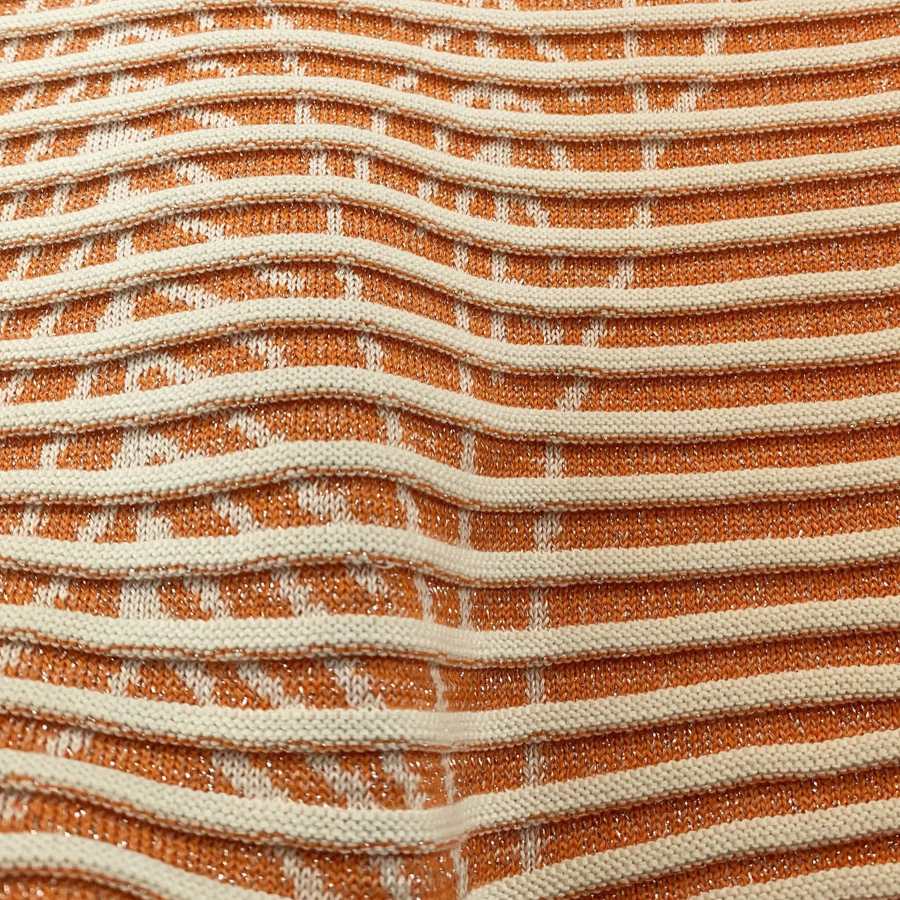
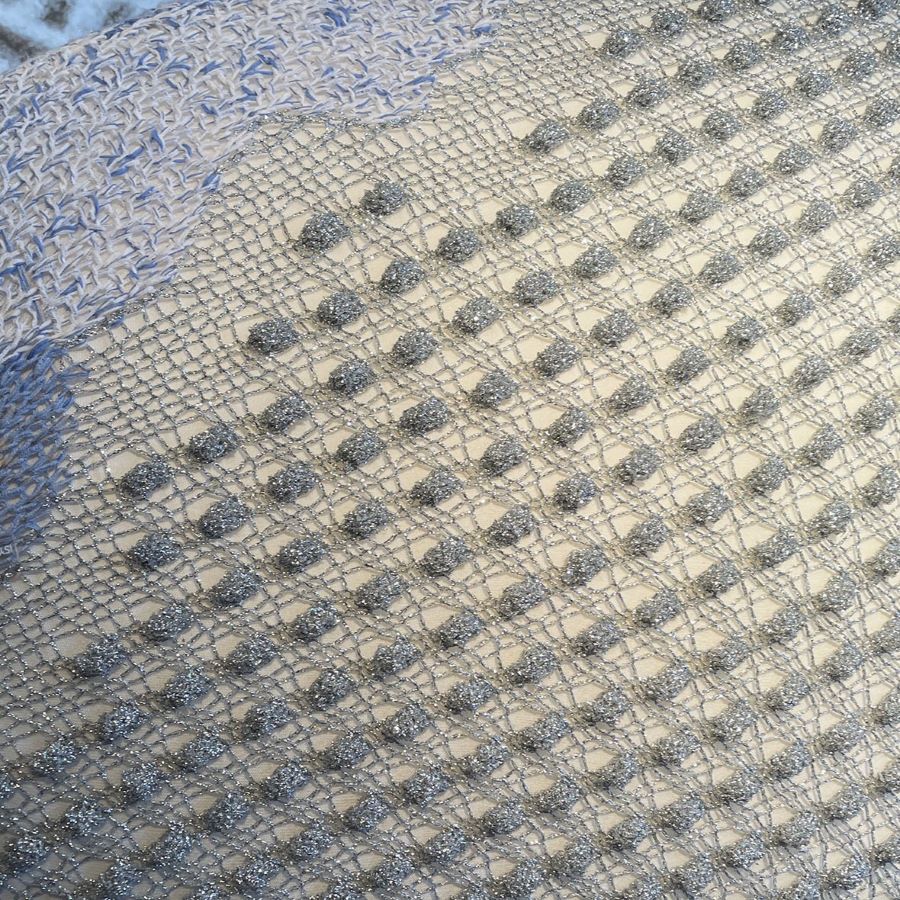
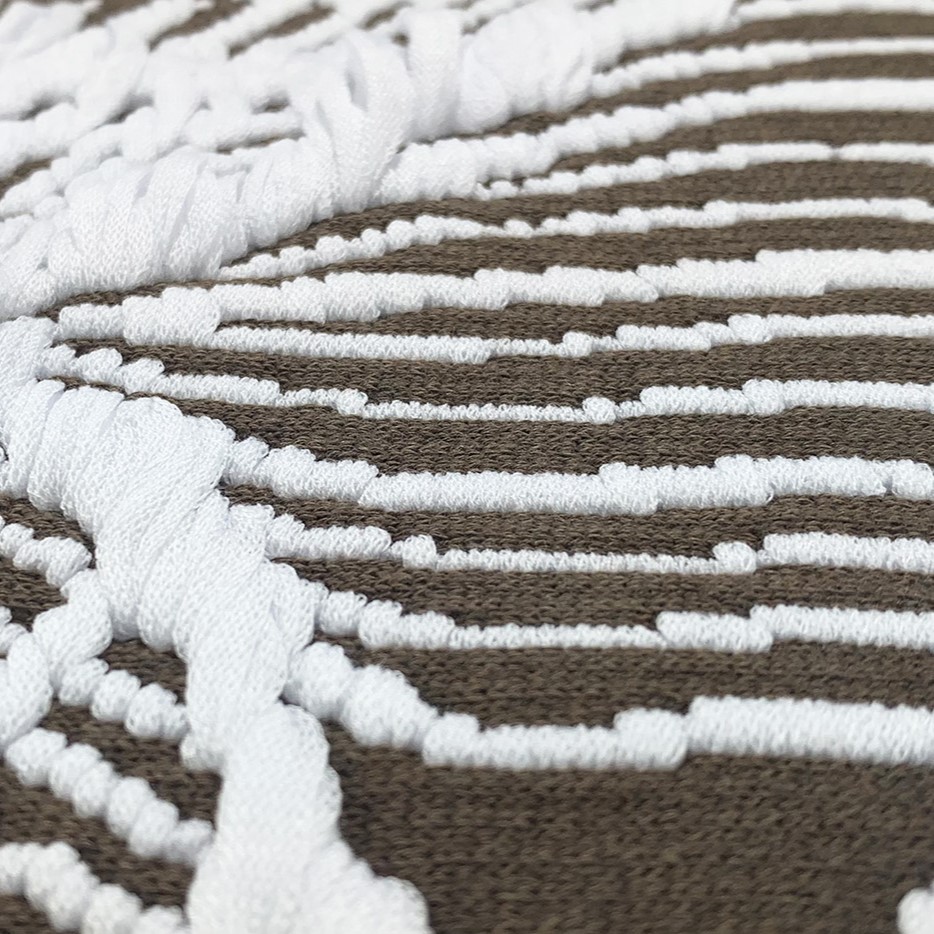
They are double-sided tubular processes, in contrasting colours, in tactile opposition, in games of glossy and opaque, in combinations of threads to imitate stone and rock surfaces. They are also woven motifs with floating threads to imitate straw and basket weaves.
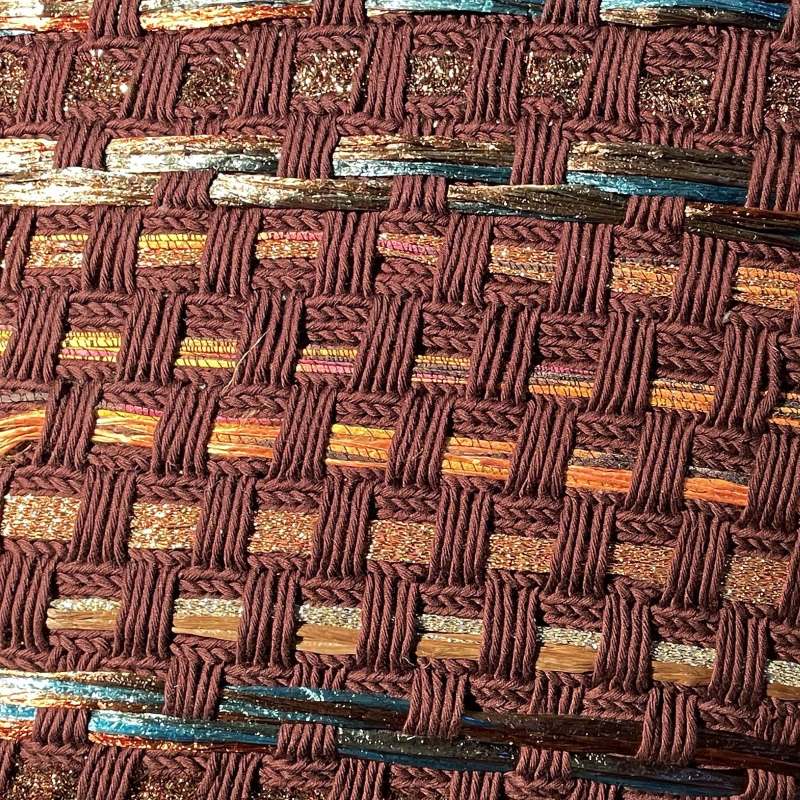
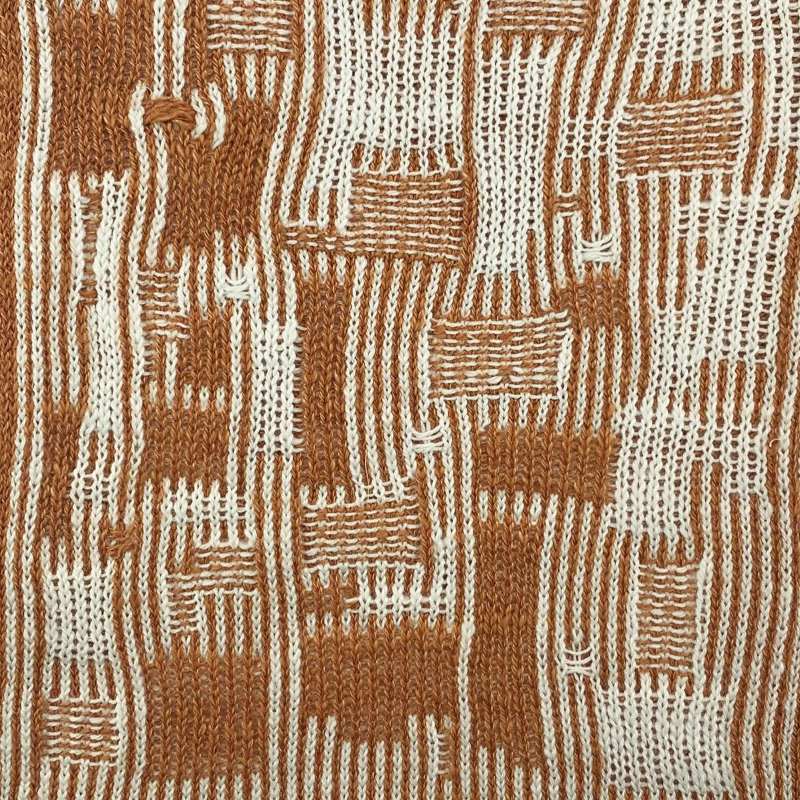
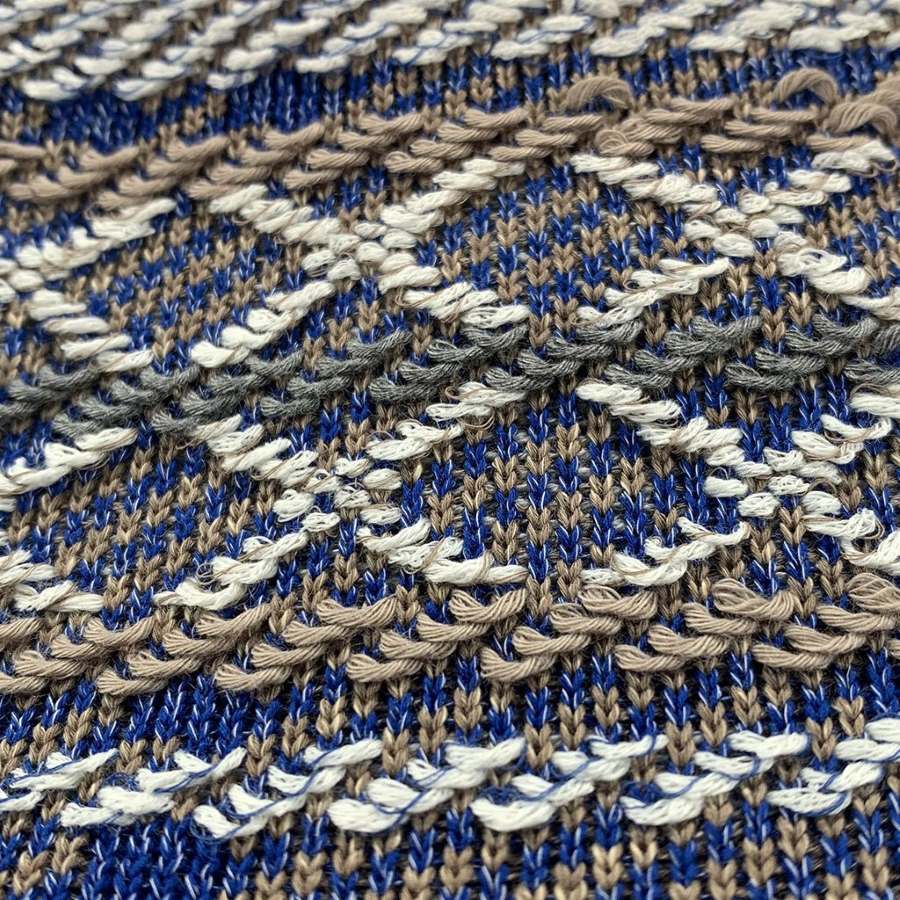
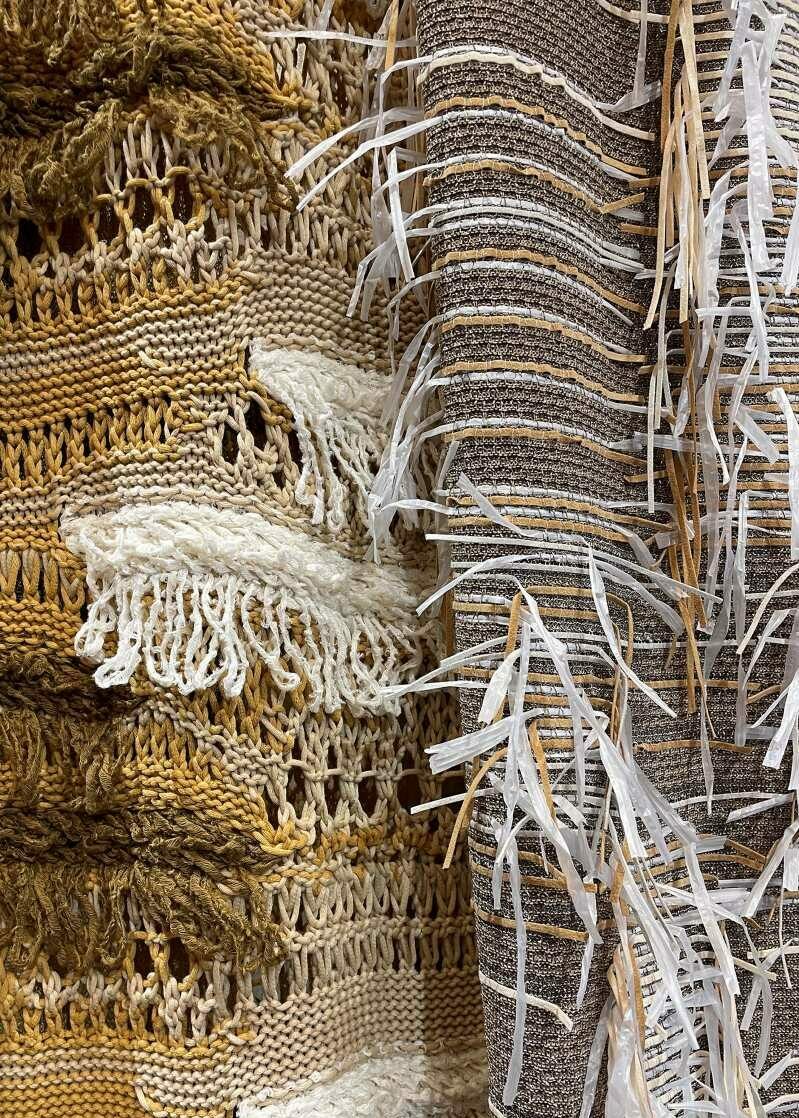
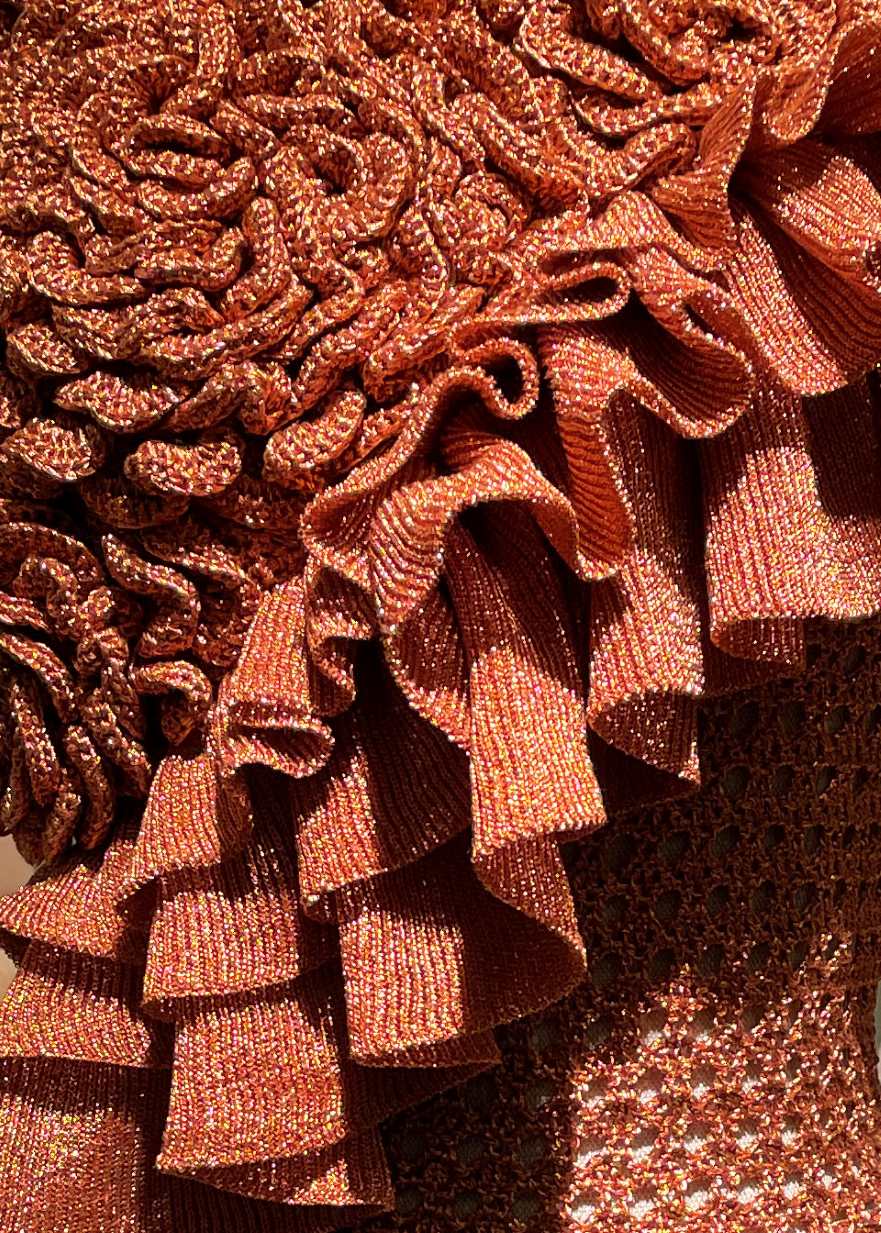
This is an opportunity to take the freedom of inserting oversized ribbons, decorative or rustic fringes and ruffles, lace or crochet inserts.
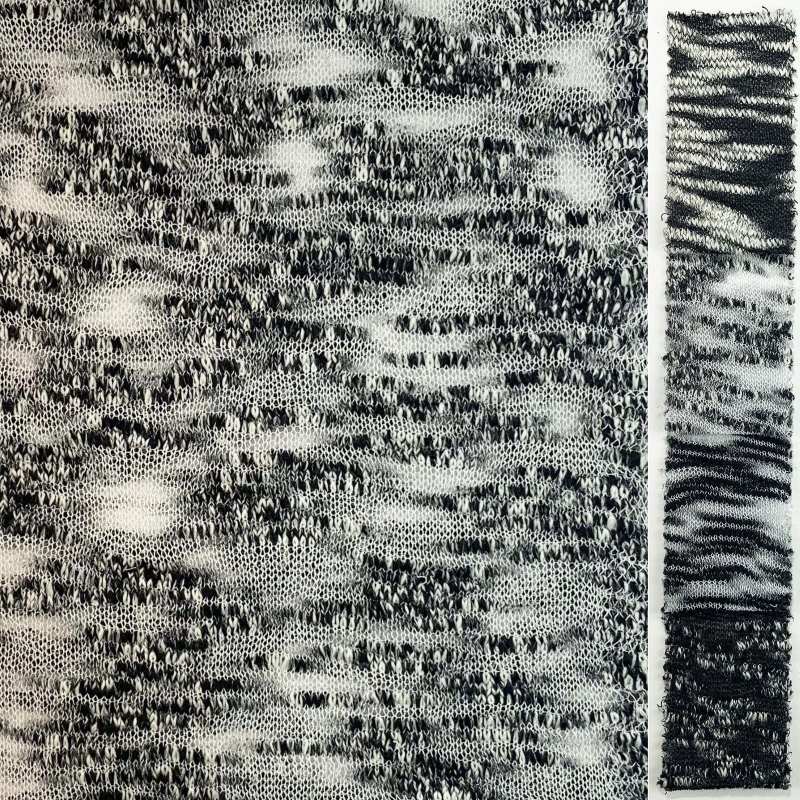
Without neglecting the study of particular effects that can be obtained thanks to spinning patterns, such as the study of random flaming which lends itself from time to time to recreating the image of stones and natural mottles of great impact.
An invitation to dare creative combinations, to experiment, to give vent to imaginative ideas.

Concept by Ornella Bignami, Elementi Moda