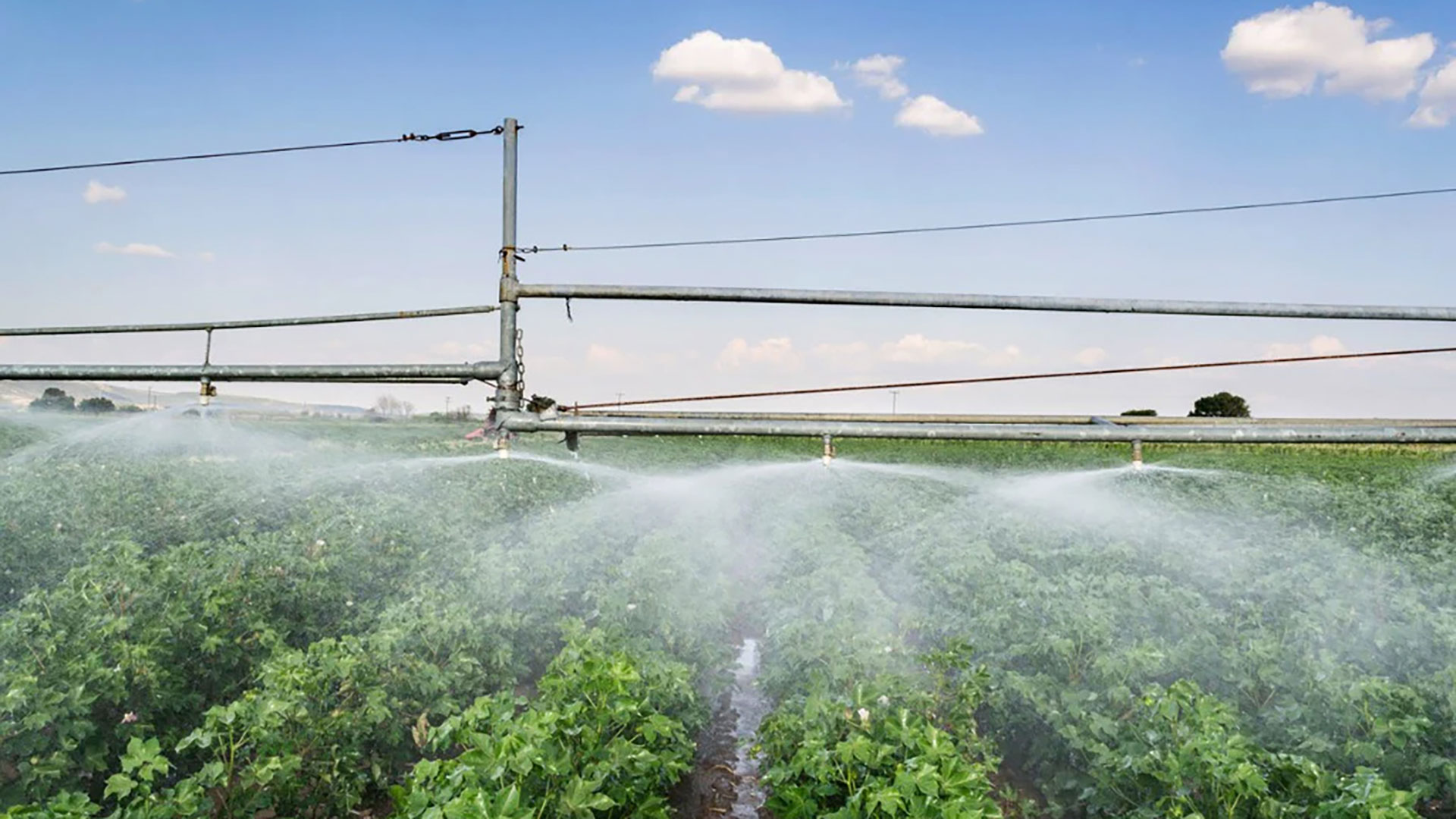







Regenerative agriculture is certainly in vogue. Industry giants such as Kering and VF Corporation, brands like Armani and Stella McCartney, as well as sustainability-oriented independent labels, have publicly embraced the cause, recognizing the connection between the fashion industry and cotton cultivation systems or forest management for viscose production.
In general terms, the expression “regenerative agriculture” signifies a holistic approach to farming that aims to preserve nature rather than exploit it unilaterally, identifying times and methods to give back what is taken. This logic encompasses all practices that, combining traditional wisdom with modern scientific knowledge, contribute to restoring soil vitality, ensuring the purity of groundwater, combating land erosion, promoting biodiversity, and decarbonization.
Is Organic Agriculture the Same as Regenerative Agriculture?
Planned grazing, the use of natural alternatives to chemical pesticides, crop rotation or cover crops, reduced tillage… these are some possible examples of regenerative agriculture. Unfortunately, what works on one farm may not necessarily work on another, and fundamental issues, such as whether a farm must also be organic to be considered regenerative, continue to be a subject of debate.
Agriculture that uses pesticides or herbicides and labels itself as regenerative is a paradox, but being organic does not necessarily mean being regenerative: preferring natural compost to chemical ones is a necessary but not sufficient condition to repair the damage already done.
Fashion brands are working diligently to mitigate their environmental impact throughout the entire supply chain, and the supply chain is no exception, considering that the main burden of transitioning processes to sustainability lies on the manufacturing companies. This virtuous path includes the investments in becoming carbon neutral or even carbon negative, which means capturing more carbon than is produced.
Regenerative agriculture is one of the possible ways to move towards this goal. It’s a fascinating challenge, and there are noteworthy experiences. Some have started working with farms that cultivate organic and regenerative cotton, while others are directly involved in creating credible certification standards.
The question is whether this kind of approach can adapt to the mass production of fibers that the textile and fashion industry requires.
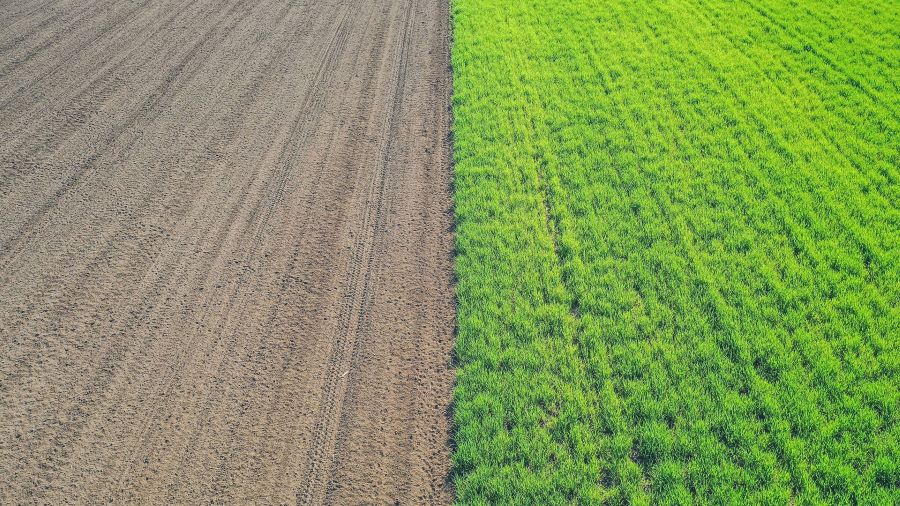
Overproduction, the Real Enemy
According to Francesca Rulli, the high road is to use our resources less and more efficiently, which also means slowing down or rethinking current models of production and consumption.
“If we continue to flood the market with volumes of fast fashion and ultra-fast fashion,” she explains, “the raw materials from environmentally friendly practices will never be sufficient, whether it’s in agriculture, animal husbandry, or innovative recovery and recycling solutions.
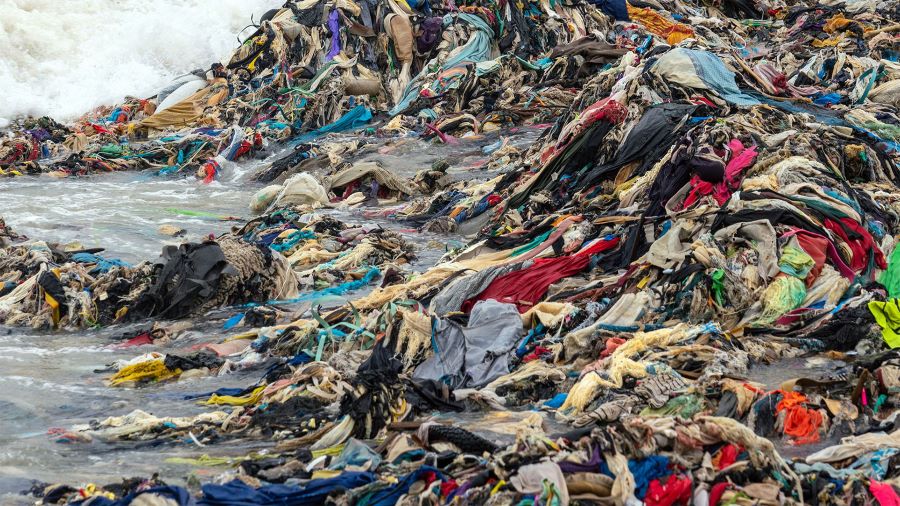
Science and technology provide us with methods and tools to reduce these impacts while also measuring progress. In this regard, we have no excuses. The real challenge today is to incentivize virtuous productions, also counting on market and legislative support. The ultimate goal remains the drastic reduction of the aforementioned volumes, mountains of low-cost and low-quality products that we discard after only a few wears, and that turn into actual mountains of waste in disposal countries like Ghana and Chile.”
Certification Standards
And certifications? Are there shared standards that clearly define how regenerative agriculture can be described, measured, and communicated?
One certified regenerative agriculture experience is rooted in the regenerative organic practices developed in the United States by the Rodale Institute. The ROC (Regenerative Organic Certified™) label was introduced in 2018 and refers to a holistic production standard based on the principles of organic farming.
This standard is overseen by the Regenerative Organic Alliance, a non-profit organization made of experts in agriculture, animal husbandry, soil health, animal welfare, and equity among farmers and workers.
Another noteworthy initiative designed to support businesses in transitioning to regenerative farming techniques is regenagri®. Its stated aim is to increase soil organic matter, improve biodiversity, rebalance ecosystem functions, enhance hydrogen, carbon, and nutrient cycles.
To certify a farm according to regenagri® standards, the organization evaluates all its management strategies and practices, collecting and monitoring the data necessary to determine its regenerative score. While the minimum score for certification is 65%, all companies below 90% must annually demonstrate their improvements to maintain their certification.
Fabrics can also be regenagri® certified, with the process involving an assessment of the percentage of fibers grown regeneratively in the product since its initial processing, a percentage that cannot be less than 40%.